


When it comes to manufacturing long-lasting, high-end leather accessories, garment materials, and upholstery products, choosing the right raw leather material directly decides the service life, appearance texture, and market competitiveness of finished goods. Many buyers only focus on unit price and surface color when selecting leather, ignoring internal fiber density, wear resistance performance, and aging resistance characteristics, which easily lead to frequent quality complaints, shortened product service cycle, and unnecessary after-sales losses. Genuine full grain cow leather maintains complete natural skin fiber structure, bringing far more stable performance than bonded leather, artificial PU leather, and corrected grain leather in daily high-frequency use scenarios.
High quality full grain cowhide leather retains the original natural texture and fine pores of raw cow skin without heavy surface coating grinding, so it presents unique natural luster that artificial materials can never replicate. Unlike low-grade refurbished leather that fades, cracks and peels after short-term friction, this kind of natural cowhide forms a mild patina as usage time increases, making finished products more textured and valuable with time passing by. Most bulk purchasers overlook coating thickness standards, and thick-coated leather looks smooth at first glance but loses breathability completely, causing stuffiness and deformation when applied to shoes, bags and clothing.
Yanco Leather strictly selects healthy adult cow raw materials with uniform fiber distribution, eliminating damaged skin spots, scars and loose fiber areas in early sorting procedures. The whole tanning process adopts environmentally friendly chrome-free and low-formula treatment technology, which meets international textile safety standards, does not irritate human skin, and can be safely used for intimate clothing, shoe lining and high-grade daily leather goods. A large number of downstream factories suffer from uneven leather thickness, softness inconsistency and batch color difference, which disrupt cutting efficiency and raise material waste rate during mass production.
One hidden problem easily ignored by most leather buyers is moisture resistance and climate adaptability. Inferior cowhide leather becomes hard and brittle in dry winter environments, while softens excessively and mildews rapidly in humid rainy seasons, seriously affecting finished product stability. Premium full grain cowhide leather processed by professional tanning technology keeps stable flexibility in extreme temperature and humidity changes, resisting mold, hydrolysis and hardening effectively throughout long-term storage and application. Many small leather materials cut corners in tanning duration and fatliquoring treatment, resulting in poor bending resistance that causes obvious fold marks and permanent damage after simple folding.
Consumers and brand merchants all pursue delicate hand feel and wear-resistant performance at the same time, but ordinary leather cannot balance both advantages perfectly. Thin leather feels comfortable but wears out quickly, thick leather is durable but stiff and clumsy. Natural full grain cowhide leather adopted here achieves moderate thickness, reasonable fiber tightness, soft hand touch and outstanding tensile strength, perfectly adapting to handbags, leather belts, sofa cushions, shoe uppers, luggage accessories and various customized leather crafts. Long-term use verification shows that qualified full grain cowhide has 3–5 times longer service life than ordinary synthetic leather under the same usage intensity.
Performance Comparison Table Of Different Common Leather Materials
| Leather Type | Surface Texture | Wear Resistance | Breathability | Aging Resistance | Price Level | Suitable Scenarios |
|---|---|---|---|---|---|---|
| Full Grain Cowhide Leather | Natural clear grain | Excellent | Highly breathable | Slow aging, patina formation | Medium-high | High-grade bags, shoes, clothing, furniture |
| Corrected Grain Leather | Artificial uniform grain | Average | Poor breathability | Easy cracking & fading | Medium | Low-cost daily accessories |
| PU Synthetic Leather | Regular artificial pattern | Low | Almost airtight | Rapid hydrolysis peeling | Low | Cheap disposable products |
| Bonded Leather | Blurry messy texture | Very low | No breathability | Severe deformation quickly | Ultra-low | Low-end simple decorations |
Deep industry demands also focus on processing adaptability of leather materials. Factories need leather that fits cutting, stitching, embossing, edge wrapping and edge polishing smoothly without breaking fibers or cracking edges. This full grain cowhide features good plasticity and stitching firmness, not easy to loose threads or crack during repeated processing, greatly improving finished product qualification rate. Many buyers only judge leather quality by appearance gloss, while ignoring fiber toughness, which causes frequent breakage and damage when making load-bearing leather products such as belts and large luggage.
Environmental safety and long-term use health are also core hidden demands that users seldom mention actively. Unqualified tanned leather contains excessive harmful heavy metals and volatile substances, which not only fails customs inspection for export products, but also causes skin allergies and health hazards after long contact. Environmentally tanned natural cowhide leather passes strict safety detection, supports cross-border export sales, and matches high-standard brand quality requirements in domestic and overseas markets.
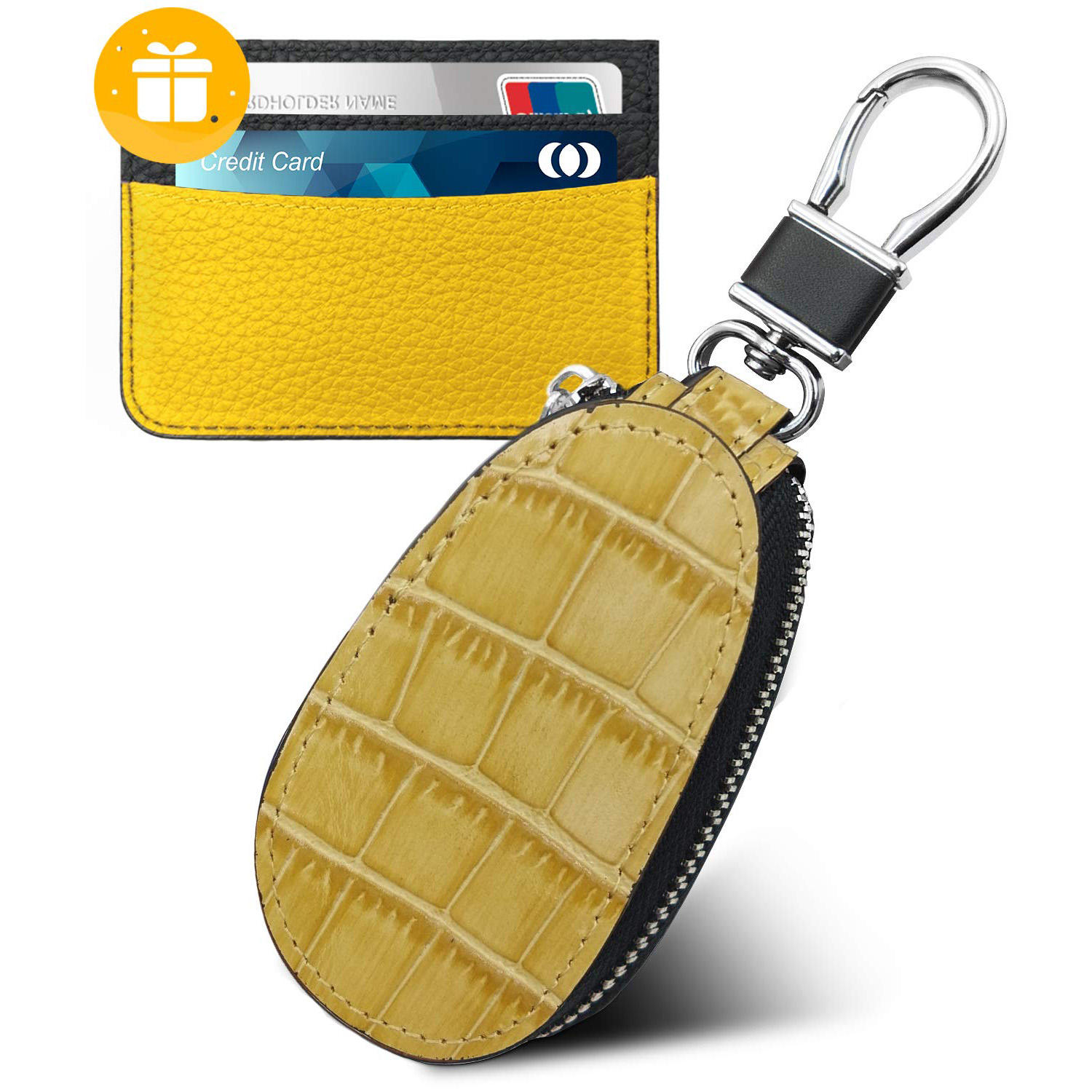
In summary, selecting reliable full grain cowhide leather is not only about pursuing beautiful appearance, but solving long-term hidden troubles including short service life, poor processing performance, unstable batch quality and safety hazards. Choosing standardized natural cowhide raw materials can reduce production losses, upgrade product grade, and build stable long-term market competitiveness for all leather processing enterprises and brand sellers.